

NLP RP#03 (Analysis of Emotion Structure)
NLP Class Reflection: Understanding the Structure of Emotions and Discovering the Meaning of Life
Learning in my NLP class is far more than acquiring new knowledge. It is a process of uncovering inner patterns, expanding perspectives, and reshaping how I understand myself and others. What began as a simple curiosity has now become a deep journey into the structure of emotions, the meaning of interpretation, and the mindset required to grow as a coach.
In this reflection, I share the insights that resonated most strongly—lessons that continue to reshape the way I think, feel, and interact with the world.
1. Learning Through Dialogue: Growth Begins With Meaningful Encounters
One of the most powerful reminders in NLP class is that “learning is dialogue”—true growth begins when minds meet.
Before studying coaching, I viewed conversation as a tool for workplace communication. But NLP taught me that deep, inner dialogue with others (and with myself) is what creates genuine learning.
Another key teaching struck me:
“There is no universal answer. The moment you try to force yourself into a fixed frame, unhappiness begins.”
This simple insight helped me challenge my assumptions and become more aware of how rigid patterns shape my thinking.
Emotions as Chemical Reactions
Coming from an engineering background, the explanation that emotions are rooted in biochemical reactions felt surprisingly familiar and persuasive.
“All emotions are chemical reactions, and familiar reactions tend to repeat.”
Sadness, joy, fear, and excitement all come and go like volatile substances. None of them are permanent. Recognizing this structure of emotions is one of the key things I hope to master through NLP.
2. A Transformative Shift in Perspective: The True Source of Emotional Hurt
The most striking realization from class was the reframing of emotional pain.
“All wounds are receiver-paid. No one can hurt me; I am the one who chooses to be hurt.”
Based on Adlerian psychology, this idea shifted my entire understanding of past experiences.
The suffering I attributed to external events was actually shaped by my own interpretation.
This was a profound moment of self-discovery.
Another essential principle:
“Every situation is value-neutral until meaning is assigned.”
This helped me rediscover my emotions through a new lens. The source was never the situation itself—it was always my internal interpretation.
3. An Engineer’s Insight: Analyzing Emotions Like a System
With a background in physics and semiconductor engineering, I am used to breaking down complex systems into smaller components.
I never imagined this analytical approach could apply to emotions.
“Western science breaks things apart to reveal the whole. NLP also studies by decomposition.”
Just as I analyzed microscopic defects in semiconductor processes, I began to see that emotions, too, can be segmented and understood through structure.
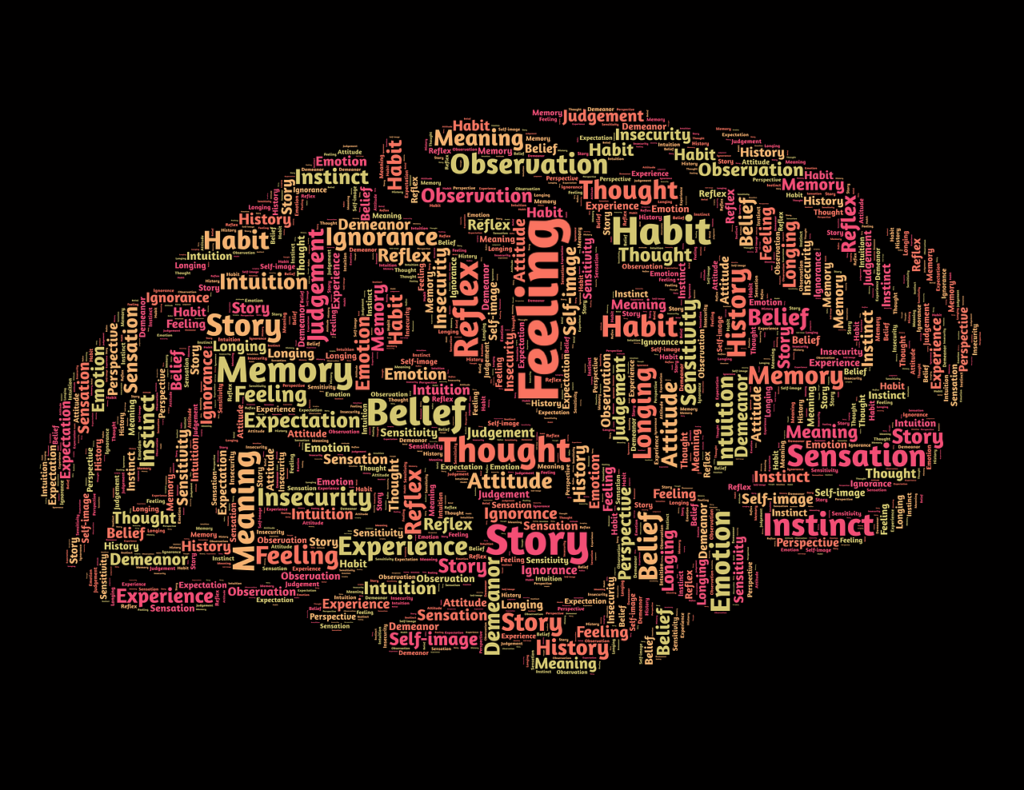
이미지 출처 : Pixabay
The Four Stages of Conceptual Understanding
NLP encourages analyzing emotions through structured steps, similar to Six Sigma:
- What is it?
- Why do we do it?
- How do we do it?
- What else should we consider?
Realizing that emotions can be broken down this way opened a new possibility:
perhaps emotions are not uncontrollable forces after all.
The Body–Emotion Connection
NLP also emphasizes that emotions are stored in the body.
“Our emotions remain in the body. Movement is the best form of emotional care.”
Just by changing posture or physical movement, emotional states can be regulated.
It reminded me that the mind and body are inseparable systems.
4. The Coach’s Mindset: Neutrality, Language, and Growth
NLP also teaches essential principles for becoming a grounded and effective coach.
Maintain Value Neutrality
A coach should never impose their own paradigm on a client.
The client’s story is value-neutral, and interpretation must be avoided.
This is a crucial lesson for preserving psychological safety.
The Power of Language
Words shape identity.
“Your language creates your life.”
Direct expressions may be cathartic but rarely create insight.
Metaphors, on the other hand, invite deeper reflection and transformation.
The Three States of Knowing
Existential philosophy explains the progression of awareness:
- I know
- I know that I don’t know
- I don’t know that I don’t know
NLP emphasizes the journey from (3) → (2) → (1), requiring curiosity, humility, courage, persistence, and the willingness to stay in discomfort.
Redefining the Role of the Coach
A coach reflects the client back to themselves.
Not to be admired, not to lead, but to support.
Not by teaching, but by living a narrative that invites insight.
5. What I Gained: The Possibility of Emotional Mastery
Through this NLP class, I realized how little I had previously examined the structure of my emotions. As someone trained in logical scientific thinking, I had viewed emotions as unpredictable forces rather than analyzable phenomena.
Now I see that emotions:
- have structure
- can be decomposed
- can be understood
- and perhaps can even be guided
This brings me hope—both for my own growth and for my future as a coach.
Understanding how emotions work may one day allow me to help clients see themselves more clearly, especially those struggling with overwhelming emotional states.
Class after class, I feel myself expanding—not through abstract knowledge, but through lived insight.
And that is why I look forward to each NLP session with growing anticipation.
기술과 마음이 교감하는 기록
For Your Dream Life
by Dream Max