

From Leader to Coach
What I Learned About Real Growth Inside Organizations
This article explores the true nature of personal growth in organizations, why traditional training often fails, and how transitioning from a leader to a coach can unlock real potential—for yourself and others.
Why Personal Growth Felt So Difficult in Corporate Life
Looking back on my corporate journey, the area that always left me with the deepest sense of regret was personal growth. Most people want to grow, yet inside an organization filled with layered relationships, politics, and fixed roles, the question of how to grow is often unclear.
Books, online courses, and motivational videos offered inspiration, but the actual change I expected rarely happened. Something essential was missing.
Why Knowledge-Based Training Has Clear Limits
Organizations provide countless training programs. But many of them focus on one-way knowledge delivery, not real behavioral change.
As a result, improvement often stays theoretical.
That led me to a single, important question:
“Who truly helps people grow?”
I didn’t realize it at the time, but the answer would eventually be coaching.
How I Mistook Leadership Conversations for Real Coaching
When I became a leader, I genuinely wanted to support my team. I believed that sharing experiences and having frequent conversations meant I was “coaching.”
In reality, I was simply having friendly check-ins.
Conversations often drifted into small talk, and within hierarchical structures, team members rarely felt safe enough to open up. Only later did I understand that true coaching requires more than goodwill—it requires skill, structure, and a very different mindset.
A New Journey After Stepping Away From the Leadership Role
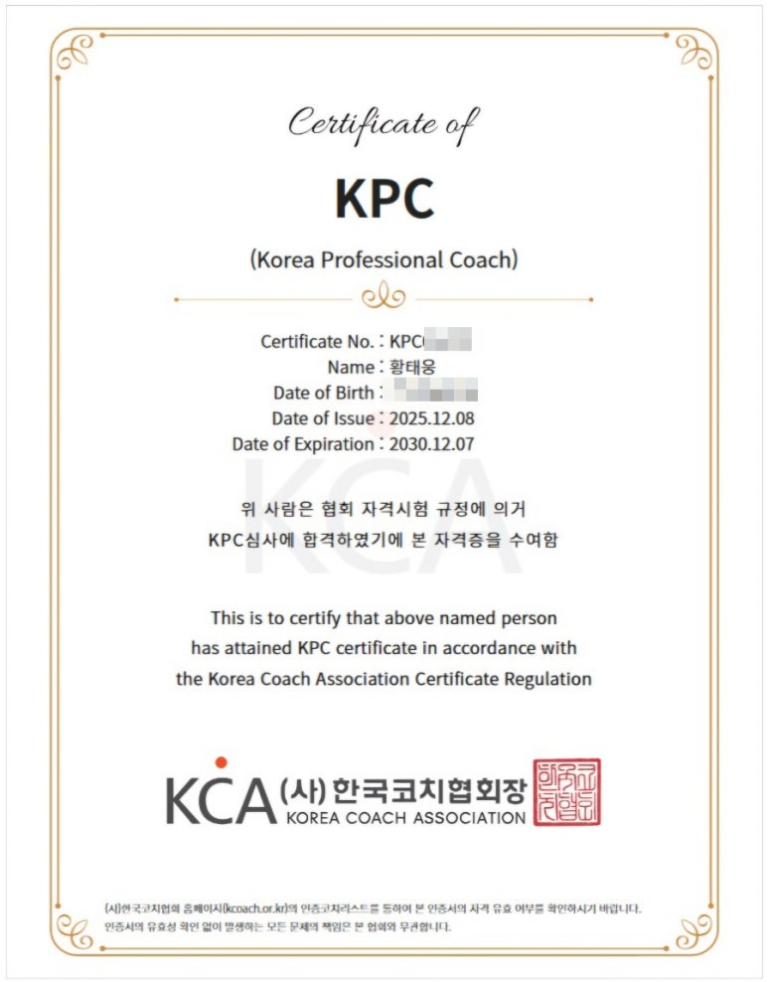
Today, I’ve stepped down from my leadership position. Instead, I am pursuing the second stage of a long-held dream: becoming a professional coach. If writing was my first step toward meaningful communication, coaching is my second.
I’m still early in the learning process, but the coaching mindset reshaped almost everything I believed about helping people.
I used to think coaching was giving insights, sharing stories, or offering better advice.
But coaching is something deeper.
What Coaching Really Means: Listening, Asking, and Evoking Insight
Coaching is not teaching. It’s not persuading.
It is a structured process of:
- Active listening
- Open, powerful questions
- Supporting clients to discover their own insights
This realization forced me to examine my past conversations. Too often, I had tried to deliver my own thoughts instead of creating space for others to explore theirs. I didn’t know that even good intentions can sometimes get in the way of another person’s growth.
The Sentence That Changed Everything
During a coaching class, one sentence shook me:
“Clients have infinite potential. A coach can only believe in the client’s potential when the coach first believes in their own.”
In that moment, I realized I often gave advice without truly believing in my own possibilities. My foundation was unstable.
Coaching, in the end, begins with the coach’s mindset—not techniques.
The First Step Toward Becoming a Coach
I want to be someone who supports others’ growth and transformation.
To do that, my first responsibility is this:
believing in my own potential.
I write on my blog to help others grow—but genuine guidance requires personal conviction. Only when I trust my own capacity to grow can I authentically support someone else’s journey.
Do You Believe in Your Potential?
Everyone has potential.
But not everyone believes they do.
That belief is the starting point of all growth.
So let me ask you:
How do you see your own potential today?
기술과 마음이 교감하는 기록
For Your Dream Life
by Dream Max